

Are M12 titanium flange surface nuts resistant to dust?
As a supplier of M12 titanium flange surface nuts, I often get asked about the performance and durability of these essential fasteners, especially when it comes to their resistance to dust. In this blog post, I'll delve into the scientific aspects of M12 titanium flange surface nuts and their ability to withstand dust, based on industry knowledge and real - world experience.
Understanding M12 Titanium Flange Surface Nuts
M12 titanium flange surface nuts are a type of fastener with specific dimensions and characteristics. The "M12" refers to the metric size, indicating a nominal diameter of 12 millimeters. Titanium is the material of choice due to its remarkable properties. Titanium is well - known for its high strength - to - weight ratio, excellent corrosion resistance, and biocompatibility. The flange on the nut provides a larger bearing surface, which distributes the load more evenly and helps prevent the nut from loosening.
The Impact of Dust on Fasteners
Dust can have various negative effects on fasteners. When dust accumulates on the surface of a nut, it can act as an abrasive, gradually wearing down the threads and the surface of the fastener. This wear can lead to a loss of pre - load, which is crucial for maintaining the integrity of a joint. Moreover, dust particles can also trap moisture, accelerating the corrosion process, especially for less corrosion - resistant materials.
Why Titanium is a Good Choice for Dust Resistance
Titanium has a natural oxide layer on its surface, which forms spontaneously when the metal is exposed to oxygen. This oxide layer, mainly composed of titanium dioxide (TiO₂), is extremely thin but highly protective. It acts as a barrier, preventing dust particles from directly contacting the underlying metal and reducing the risk of abrasion.
The hardness of titanium is also a factor in its dust resistance. Titanium has a relatively high hardness compared to many other metals, which means it can better withstand the abrasive action of dust particles. Additionally, titanium's low reactivity with most environmental elements makes it less likely to form compounds with dust components, further enhancing its long - term durability in dusty environments.
Laboratory Tests and Real - World Applications
In laboratory settings, tests have been conducted to evaluate the dust resistance of titanium fasteners. These tests typically involve exposing titanium samples to controlled dust environments for extended periods. The results consistently show that titanium maintains its integrity better than many other materials under the same conditions.
In real - world applications, M12 titanium flange surface nuts are used in various industries where dust is a concern. For example, in the automotive industry, where engines and other components are often exposed to road dust, titanium fasteners have proven to be reliable. In the aerospace industry, where aircraft operate in dusty and sandy environments, titanium fasteners are also a popular choice due to their dust - resistant properties.
Complementary Titanium Products
In addition to M12 titanium flange surface nuts, we also offer a range of complementary titanium products. If you're interested in other types of titanium fasteners, you might want to check out our Umbrella Head Bolts Titanium. These bolts are known for their unique design and high - quality titanium construction.
Another great product is our Titanium Alloy Flat Washers. These washers are essential for distributing the load and providing additional stability in a joint. They are made from high - grade titanium alloy, ensuring excellent performance in various environments, including dusty ones.

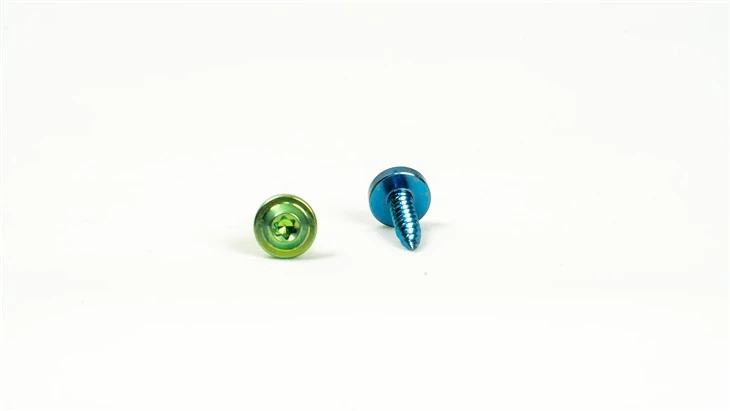
We also have Titanium alloy self tapping screws m5. These self - tapping screws are designed for easy installation and are highly resistant to the effects of dust and other environmental factors.
Case Studies
Let's take a look at a couple of case studies to illustrate the dust resistance of M12 titanium flange surface nuts. A construction company was working on a project in a desert area, where the air was filled with fine sand particles. They initially used steel nuts, but they quickly noticed that the nuts were wearing out due to the abrasive action of the sand. After switching to M12 titanium flange surface nuts, they found that the fasteners remained in good condition even after months of exposure to the dusty environment.
In a manufacturing plant that produced agricultural equipment, dust from the processing of grains and other materials was a constant problem. The use of M12 titanium flange surface nuts in the assembly of the equipment significantly reduced maintenance requirements, as the nuts showed minimal signs of wear and corrosion compared to traditional fasteners.
Maintenance Tips for M12 Titanium Flange Surface Nuts in Dusty Environments
Although M12 titanium flange surface nuts are highly dust - resistant, some maintenance can further extend their lifespan. Regularly cleaning the nuts with a dry, soft brush can remove loose dust particles. If possible, using a protective coating on the nuts can provide an additional layer of protection. However, it's important to choose a coating that is compatible with titanium to avoid any adverse reactions.
Conclusion
In conclusion, M12 titanium flange surface nuts are indeed resistant to dust. Their unique combination of a protective oxide layer, high hardness, and low reactivity makes them an excellent choice for applications where dust is a concern. Whether you're in the automotive, aerospace, construction, or manufacturing industry, these nuts can provide reliable performance and long - term durability.
If you're interested in purchasing M12 titanium flange surface nuts or any of our other titanium products, we invite you to contact us for a detailed discussion about your specific requirements. Our team of experts is ready to assist you in finding the right fasteners for your projects.
References
- "Titanium: A Technical Guide" by John R. Davis
- "Fasteners and Their Applications" by Henry Petroski
- Industry reports on the performance of titanium fasteners in dusty environments
