

TC4 titanium alloy, known as Ti-6Al-4V, is a remarkable material renowned for its excellent mechanical properties, including high strength-to-weight ratio, good corrosion resistance, and biocompatibility. Torx bolts made from TC4 titanium alloy are widely used in various industries, such as aerospace, automotive, and medical, due to their unique features. One of the critical questions that often arises is whether TC4 titanium alloy torx bolts are resistant to wear. In this blog, as a supplier of TC4 titanium alloy torx bolts, I will delve into this topic and provide a comprehensive analysis.
Understanding Wear and Its Types
Wear is the progressive loss of material from a surface due to mechanical action, typically involving contact with another surface. There are several types of wear, including adhesive wear, abrasive wear, fatigue wear, and corrosive wear. Each type of wear occurs under different conditions and has distinct characteristics.

Adhesive wear happens when two surfaces in contact adhere to each other and material is transferred from one surface to the other. This usually occurs when the surfaces are in relative motion and there is sufficient pressure and friction. Abrasive wear, on the other hand, is caused by the presence of hard particles between two surfaces. These particles can scratch or cut the surface, leading to material removal. Fatigue wear results from repeated loading and unloading of a surface, which causes cracks to initiate and propagate, eventually leading to material loss. Corrosive wear is a combination of wear and corrosion, where the surface is attacked by a corrosive medium while being subjected to mechanical forces.
Wear Resistance of TC4 Titanium Alloy
TC4 titanium alloy has inherent properties that contribute to its wear resistance. Firstly, its high strength and hardness provide a certain level of resistance against abrasive and adhesive wear. The alloy's microstructure, which consists of a combination of alpha and beta phases, also plays a role in its wear performance. The alpha phase is relatively hard and provides strength, while the beta phase offers some ductility, which can help to absorb energy during wear processes.
In addition, TC4 titanium alloy forms a passive oxide layer on its surface when exposed to air or oxygen. This oxide layer acts as a protective barrier, preventing further oxidation and reducing the likelihood of corrosive wear. The oxide layer is also relatively hard and can enhance the surface's resistance to abrasive and adhesive wear to some extent.
However, the wear resistance of TC4 titanium alloy is not absolute. Under certain conditions, such as high loads, high sliding speeds, or in the presence of abrasive particles, the alloy can still experience significant wear. For example, in applications where there is a lot of metal-to-metal contact and high friction, adhesive wear may become a problem. The relatively low thermal conductivity of TC4 titanium alloy can also lead to heat buildup during wear, which can accelerate the wear process.
Factors Affecting the Wear Resistance of TC4 Titanium Alloy Torx Bolts
Several factors can influence the wear resistance of TC4 titanium alloy torx bolts. One of the most important factors is the surface finish of the bolts. A smooth surface finish can reduce friction and the likelihood of adhesive wear. During the manufacturing process, proper machining and finishing techniques should be employed to ensure a high-quality surface finish. For example, grinding and polishing can be used to achieve a smooth surface, which can improve the wear resistance of the bolts.
The torque applied when tightening the torx bolts also plays a crucial role. Over-tightening can lead to excessive stress on the bolt and the mating surface, increasing the risk of wear. On the other hand, under-tightening can result in loose connections, which can cause relative motion between the surfaces and lead to wear. Therefore, it is essential to follow the recommended torque values provided by the manufacturer to ensure proper installation and minimize wear.
The environment in which the torx bolts are used is another significant factor. In harsh environments, such as those with high humidity, high temperatures, or the presence of corrosive chemicals, the wear resistance of the bolts may be compromised. For example, in a marine environment, the bolts may be exposed to saltwater, which can cause corrosion and accelerate wear. In such cases, additional protective measures, such as coating the bolts with a corrosion-resistant material, may be necessary.
Applications and Wear Performance
TC4 titanium alloy torx bolts are used in a wide range of applications, each with its own wear requirements. In the aerospace industry, these bolts are used in critical components where high strength and wear resistance are essential. For example, they may be used in aircraft engines, landing gear, and structural assemblies. In these applications, the bolts are often subjected to high loads, vibrations, and extreme temperatures. The wear resistance of TC4 titanium alloy torx bolts in aerospace applications is crucial to ensure the safety and reliability of the aircraft.
In the automotive industry, TC4 titanium alloy torx bolts are used in engine components, suspension systems, and other high-performance parts. The bolts need to withstand the stresses and vibrations generated during vehicle operation. The wear resistance of the bolts can affect the performance and durability of these components. For example, in an engine, worn bolts can lead to loose connections, which can cause misalignment and reduced engine efficiency.
In the medical field, TC4 titanium alloy torx bolts are used in orthopedic implants, such as bone plates and screws. The wear resistance of these bolts is important to ensure long-term stability and functionality of the implants. Since the implants are in contact with body tissues and fluids, the bolts need to be resistant to corrosion and wear to avoid potential health risks.
Our Products and Their Wear Resistance
As a supplier of TC4 titanium alloy torx bolts, we are committed to providing high-quality products with excellent wear resistance. Our bolts are manufactured using advanced production techniques and strict quality control measures. We ensure that the surface finish of our bolts is smooth and free from defects, which helps to reduce friction and improve wear resistance.
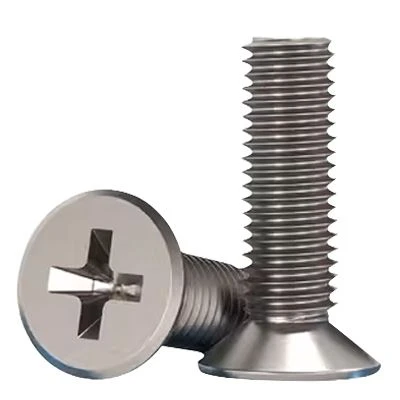
We offer a wide range of TC4 titanium alloy torx bolts, including Titanium Cylindrical Head Torx Drive Bolts Screw M8 Series, Flange Head Cap Bolts Titanium GR5 M8 X 60, and Countersunk Head Worm Gear Screws. These products are designed to meet the diverse needs of different industries and applications.
Before delivering our products, we conduct comprehensive testing to ensure their wear resistance. We use advanced testing equipment and methods to simulate different wear conditions and evaluate the performance of our bolts. This allows us to provide our customers with reliable products that can withstand the challenges of real-world applications.
Conclusion and Call to Action
In conclusion, TC4 titanium alloy torx bolts have good wear resistance due to the inherent properties of the TC4 titanium alloy. However, their wear performance can be affected by various factors, such as surface finish, torque, and the operating environment. As a supplier, we take these factors into account during the manufacturing process to ensure that our products offer excellent wear resistance.
If you are in need of high-quality TC4 titanium alloy torx bolts for your application, we invite you to contact us for procurement and further discussions. Our team of experts is ready to assist you in selecting the right products and providing technical support. Let's work together to find the best solutions for your wear-resistant bolt needs.
References
-ASM Handbook Volume 18: Friction, Lubrication, and Wear Technology. ASM International.
-Schmid, F., & Fischer, F. D. (2006). Titanium and Titanium Alloys. Wiley-VCH Verlag GmbH & Co. KGaA.
-Wilson, W. R. D. (2005). Wear of Materials. Elsevier.
