

As a supplier of M6 titanium alloy nuts, I've often been asked about the suitability of these nuts for sports equipment. In this blog post, I'll delve into the properties of M6 titanium alloy nuts and explore whether they are a good fit for various sports applications.
Properties of M6 Titanium Alloy Nuts
Lightweight
One of the most significant advantages of titanium alloy is its low density. Titanium has a density of about 4.5 g/cm³, which is much lower than that of steel (around 7.85 g/cm³). This means that M6 titanium alloy nuts are significantly lighter than their steel counterparts. In sports equipment, weight reduction is often a crucial factor. For example, in cycling, every gram counts. Lighter nuts can contribute to a lighter overall bike weight, which in turn can improve acceleration, climbing ability, and handling.
High Strength
Despite its low weight, titanium alloy has excellent strength - to - weight ratio. M6 titanium alloy nuts can withstand high levels of stress and tension. They have good tensile strength, which means they can hold components together firmly without deforming easily. This strength is essential in sports equipment where parts are subjected to dynamic forces. For instance, in a tennis racket frame, the nuts need to keep the various parts of the frame in place during the high - impact swings.
Corrosion Resistance
Titanium alloy has a natural oxide layer on its surface, which provides excellent corrosion resistance. This is particularly important in sports equipment that may be exposed to moisture, sweat, or harsh environmental conditions. For example, in outdoor sports equipment like mountain bike frames or golf clubs, the nuts need to resist rust and corrosion to maintain their integrity over time. M6 titanium alloy nuts can ensure long - term reliability in such environments.
Biocompatibility
Titanium is biocompatible, which means it is non - toxic and does not cause allergic reactions in most people. This property can be beneficial in sports equipment that comes into direct contact with the human body, such as certain types of wearable sports devices or orthopedic sports aids.
Applications in Sports Equipment
Cycling
In the cycling industry, M6 titanium alloy nuts can be used in various parts of a bike. They can be used to secure the handlebars, seat post, and derailleur components. The lightweight nature of these nuts helps to reduce the overall weight of the bike, which is a major advantage for competitive cyclists. Additionally, their corrosion resistance ensures that the nuts will not rust, even when the bike is ridden in wet conditions. For example, a professional cyclist may choose a bike with titanium alloy nuts to gain a competitive edge in terms of speed and performance. You can also check out our Umbrella Head Titanium GR5 Bolts which can be used in combination with M6 titanium alloy nuts for a more comprehensive solution in bike assembly.
Tennis
Tennis rackets are another area where M6 titanium alloy nuts can be used. They can be used to fasten the strings to the frame or to hold the internal components of the racket together. The high strength of the nuts ensures that the racket maintains its shape and performance during intense play. The corrosion resistance is also important as the racket may be exposed to sweat during a long match.
Golf
In golf clubs, M6 titanium alloy nuts can be used to attach the club head to the shaft or to secure other internal components. The lightweight property of the nuts can help to optimize the balance and swing weight of the club, allowing for more precise shots. And the corrosion resistance ensures that the club remains in good condition over time, even when used in different weather conditions.
Motorsports
In motorsports, such as motorcycle racing, M6 titanium alloy nuts can be used in the engine, suspension, and bodywork. For example, our Motorcycle Titanium Alloy Motor Nut can be used to secure vital engine components. The high strength and low weight of these nuts are crucial in a high - performance environment where every bit of weight reduction and component reliability matters.

Considerations and Limitations
Cost
One of the main limitations of using M6 titanium alloy nuts in sports equipment is the cost. Titanium alloy is more expensive than traditional materials like steel. This cost factor may limit its use in some budget - oriented sports equipment. However, for high - end and professional - grade sports products, the benefits of using titanium alloy nuts often outweigh the cost.
Machinability
Titanium alloy can be more difficult to machine compared to other metals. This means that the manufacturing process of M6 titanium alloy nuts may be more complex and time - consuming, which can also contribute to the higher cost.
Compatibility
When using M6 titanium alloy nuts in sports equipment, it is important to ensure compatibility with other components. For example, the threads of the nuts need to match the bolts or screws they are being used with. Also, the thermal expansion properties of titanium alloy may be different from other materials, which needs to be considered in some applications.
Conclusion
In conclusion, M6 titanium alloy nuts have many properties that make them suitable for use in sports equipment. Their lightweight, high strength, corrosion resistance, and biocompatibility offer significant advantages in various sports applications. However, the cost and machinability issues need to be taken into account. For high - end and professional sports equipment where performance and reliability are of utmost importance, M6 titanium alloy nuts are a great choice.
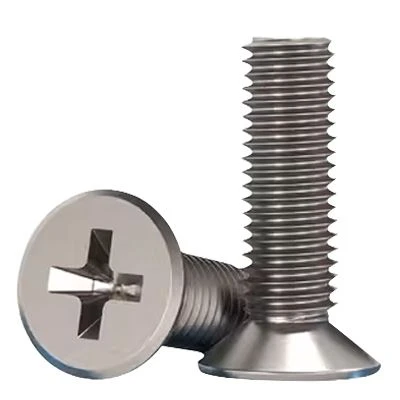
If you are interested in purchasing M6 titanium alloy nuts for your sports equipment manufacturing needs, or if you have any questions about our products, such as the Countersunk Head Worm Gear Screws that can be used in conjunction with our nuts, please feel free to contact us for a detailed discussion. We are committed to providing high - quality products and excellent customer service.
References
- "Titanium: A Technical Guide" by John C. Williams.
- "Materials Science and Engineering: An Introduction" by William D. Callister Jr. and David G. Rethwisch.
- Industry reports on sports equipment manufacturing and materials usage.
