

Hey there! As a supplier of M14 titanium alloy nuts, I often get asked about the density of these nuts. So, in this blog post, I'm gonna break it down for you and give you all the deets on what the density of M14 titanium alloy nuts is and why it matters.
First things first, let's talk about what density actually means. Density is basically how much mass is packed into a given volume. In simpler terms, it's how heavy something is for its size. For M14 titanium alloy nuts, the density is an important factor because it can affect their performance, weight, and cost.
The density of titanium alloy can vary depending on the specific alloy composition. Generally speaking, titanium alloys have a density ranging from about 4.4 to 4.8 grams per cubic centimeter (g/cm³). The M14 titanium alloy nuts I supply are made from a high - quality titanium alloy with a density of around 4.5 g/cm³. This is a pretty standard density for many titanium alloys used in nut manufacturing.
Why does the density matter? Well, for starters, a lower density means that the nuts are lighter. This can be a huge advantage in applications where weight is a concern, like in the aerospace or automotive industries. Lighter nuts can help reduce the overall weight of the vehicle or aircraft, which in turn can improve fuel efficiency and performance.
On the other hand, the density also affects the strength and durability of the nuts. Titanium alloys are known for their high strength - to - weight ratio. Even though our M14 titanium alloy nuts are relatively light, they still have excellent strength properties. The density is part of what gives them this unique combination of lightness and strength.
Another reason the density is important is cost. Titanium is more expensive than some other metals, and the density can impact the amount of material needed to make each nut. A lower - density alloy might require less material, which could potentially lead to cost savings. Of course, there are other factors that go into the cost of manufacturing these nuts, but density plays a role.
Now, let's talk a bit about the M14 size. The M14 refers to the metric size of the nut. It means that the nut has a nominal diameter of 14 millimeters. This is a common size used in a variety of applications, from machinery to construction. Our M14 titanium alloy nuts are precision - engineered to meet the highest quality standards. They have a smooth finish and accurate threading, which ensures a secure and reliable connection.
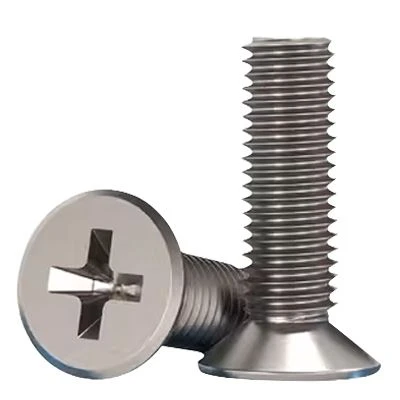

If you're in the market for other titanium alloy products, we also offer Countersunk Head Worm Gear Screws. These screws are great for applications where a flush - mounted fastener is needed. They're made from the same high - quality titanium alloy as our M14 nuts, so you can expect the same great performance.
We also have Titanium alloy automobile nuts. These nuts are specifically designed for use in the automotive industry. They're lightweight, strong, and corrosion - resistant, which makes them perfect for the harsh conditions under the hood of a car.
And if you're looking for a different style of nut, check out our Titanium Alloy Hexagonal Nuts. These hexagonal nuts are a classic choice and are widely used in many industries.
So, whether you're an engineer, a mechanic, or just someone looking for high - quality titanium alloy nuts, I hope this post has given you a better understanding of the density of M14 titanium alloy nuts. If you're interested in purchasing our products, we'd love to hear from you. Just reach out, and we can start a conversation about your specific needs. We can work together to find the best solution for your project, whether it's a small - scale DIY job or a large - scale industrial application.
In conclusion, the density of our M14 titanium alloy nuts is around 4.5 g/cm³, which gives them a great combination of lightness, strength, and cost - effectiveness. If you have any more questions or want to learn more about our products, don't hesitate to get in touch. Let's talk about how we can meet your nut - buying needs and take your project to the next level.
References
- "Materials Science and Engineering: An Introduction" by William D. Callister Jr. and David G. Rethwisch
- Industry standards for titanium alloy manufacturing and testing
